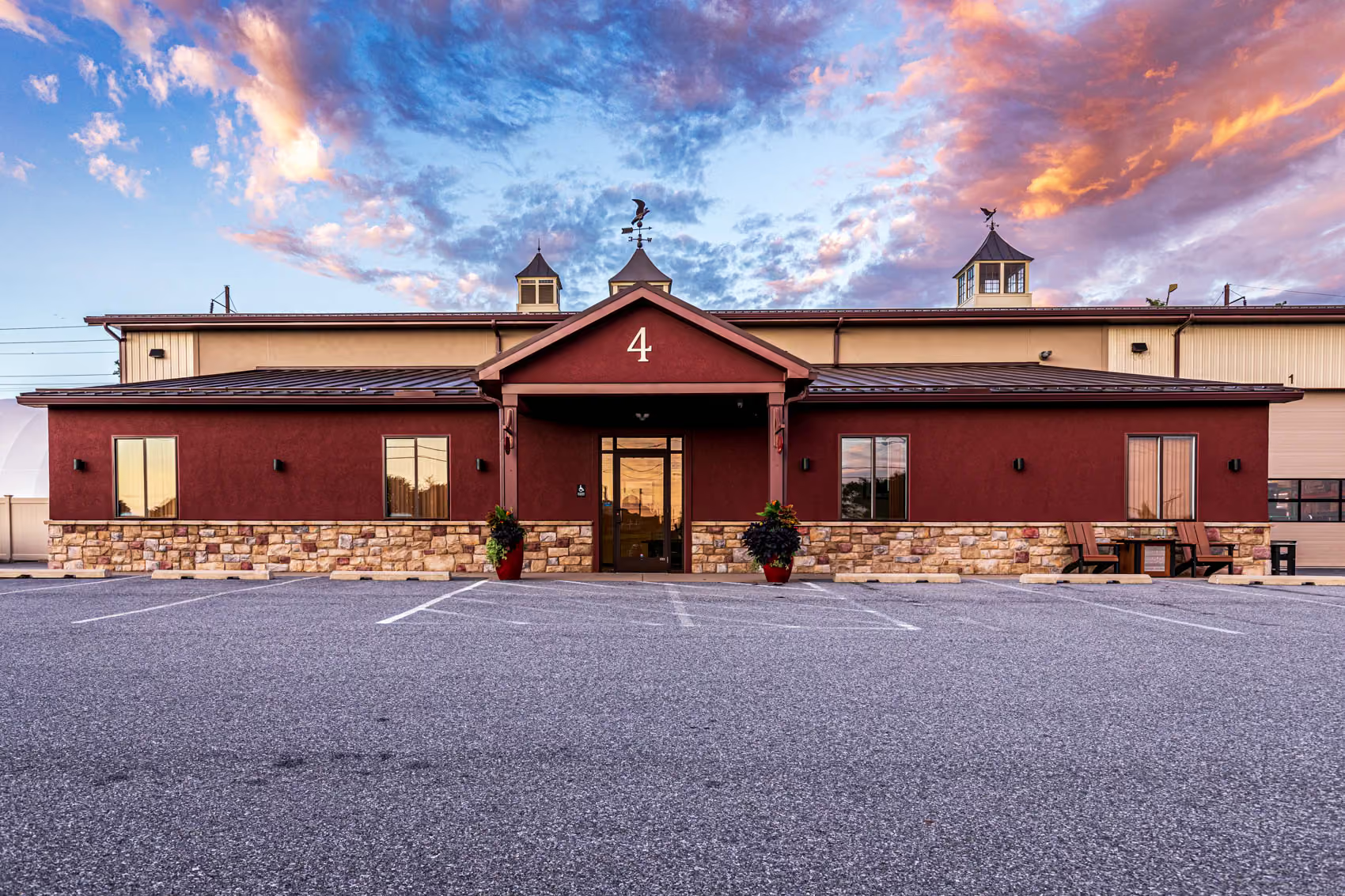
The rustic charm of timberframe construction is undeniable.
Intricate grain patterns, the colossal strength of wooden beams; timber framing has inspired builders, property owners, and visitors alike for centuries.
While timber framing was replaced as a primary means of construction with stick framing and post framing in the mid- to late-1800s, this time-tested framing style still exists today: mainly as inviting accent pieces in modern commercial buildings, farmhouses, breweries, and lodge-inspired homes.
So if you’ve been thinking of adding timber frame elements to your next building, you’re in good company. Here, you’ll find a simple outline of both the emotional and practical reasons for incorporating timber frames into your building—plus a few examples for inspiration on your next project.
When it comes to the feel of a building, exposed wooden beams have the ability to transform a space.
This is especially true in commercial applications that can tend to feel a bit sterile. Exposed timber frames balance the minimalist steel and concrete designs of industry with something natural and living.
And it’s not just for looks.
Natural materials have been shown to improve how people feel inside a space—reducing stress and increasing comfort. For this reason, high-end businesses, restaurants, farmhouses, and brewery construction projects are now incorporating timber frames into their final designs.
The most common timber frame accents include:
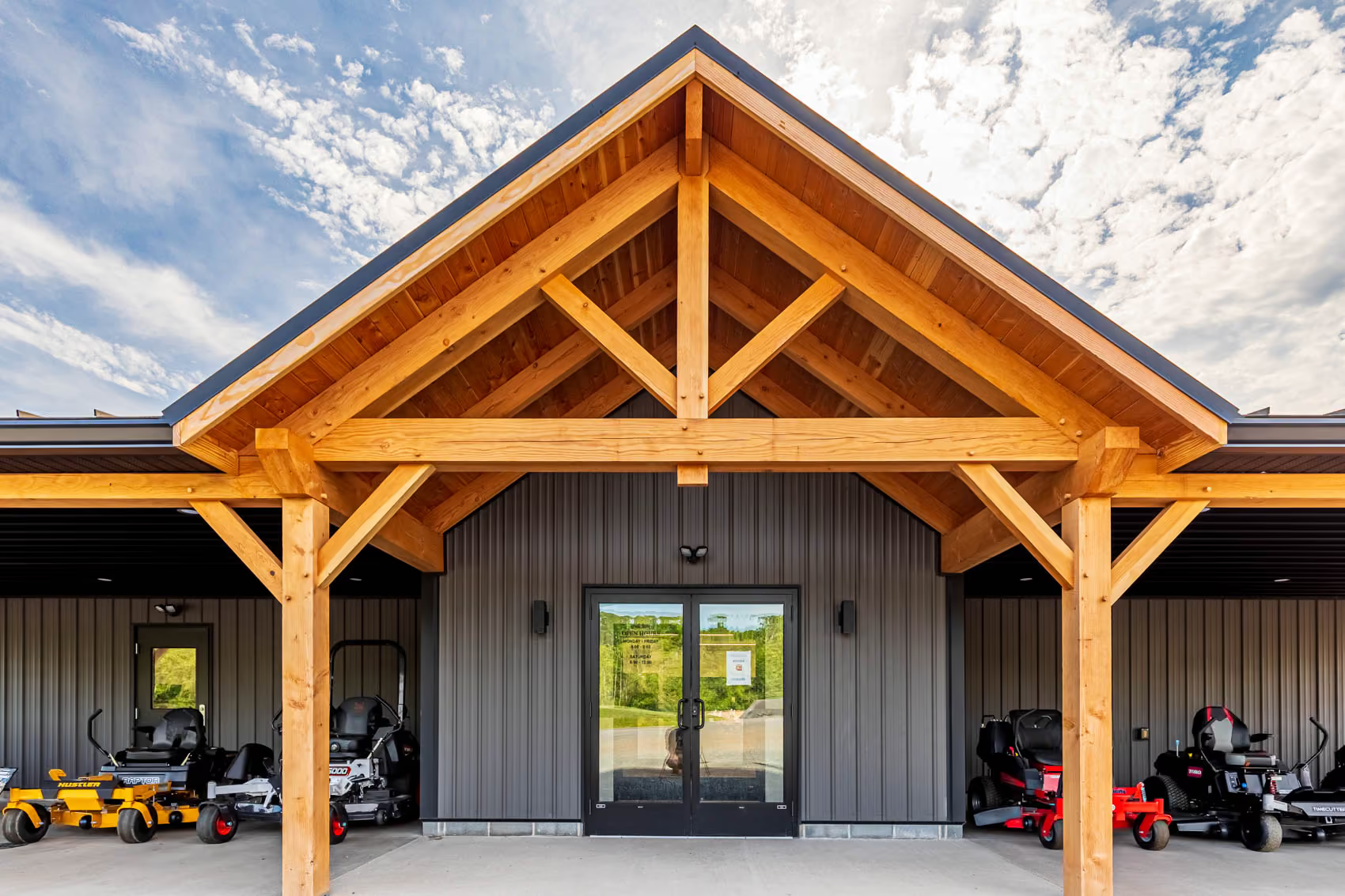
For an example of how timber frame accents can transform a commercial retail space, check out the Hilly Ridge Showroom.
Hilly Ridge needed a wide, clear-span building to showcase their tractors, lawnmowers, and snowblowers—something a cool, clean industrial space would have served just fine. However, the owners wanted to create a more welcoming feel for their customers…
And their timber frame entranceway fit the bill.
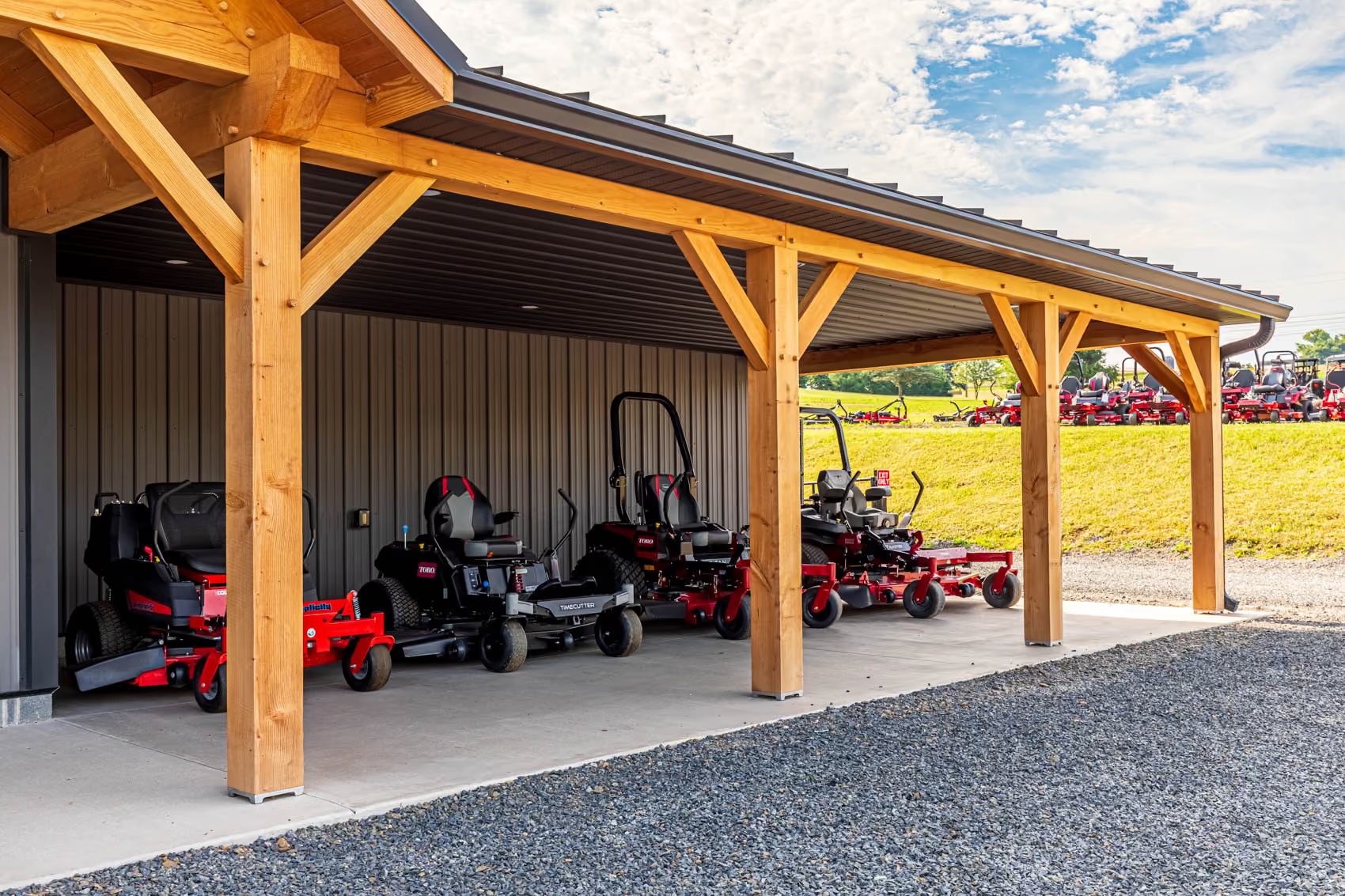
Timber frame accents aren’t just about aesthetics. In fact, as a construction style, timber framing outlasts most other building practices—even in the event of a fire.
So while most owners choose timber frame accents for appeal, there’s more to it than that.
Those beams are likely to be the longest-lasting pieces of your entire building.
Timber frames and post-frame building practices go hand in hand.
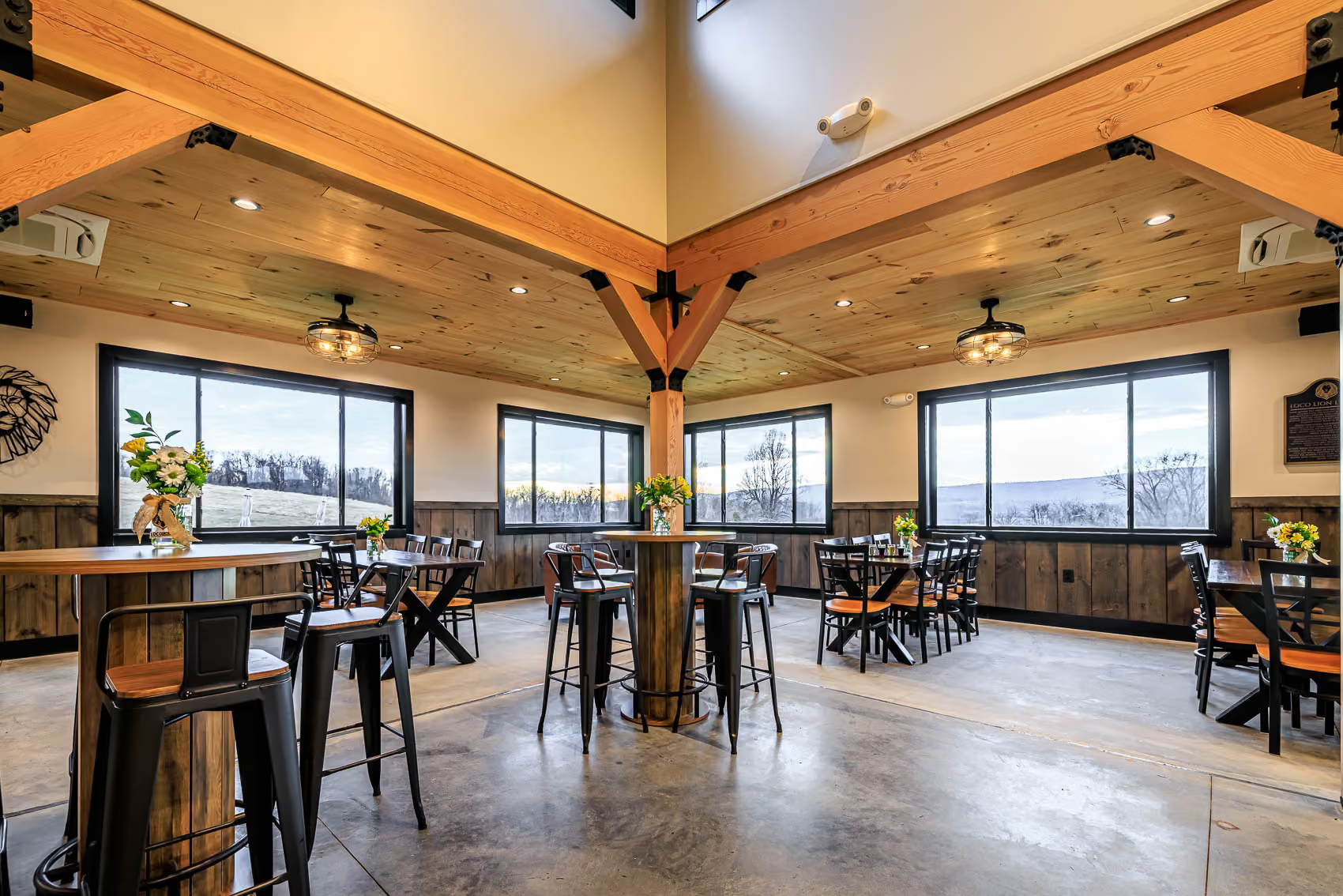
Both styles offer the potential for wide interior clearspans—perfect for flex spaces, large retail warehouses, dining, and multi-use commercial spaces (like our recent tasting room/brewery for Loco Lion in Purcellville, VA).
.avif)
However, not all builders have the same size thresholds. In our area, most post-frame building contractors won’t take on projects beyond 80’ widths and 20’–22’ ceiling heights. That being said, you need to go with a contractor specializing in high and wide commercial building design.
(Spoiler alert: Tristate comfortably builds up to 100’ clear spans and 30’ ceiling heights. Check out this beast at Pine Hurst Acres.)
As a final pointer for timber frames, wood is one of the few construction materials that’s both renewable and carbon-storing.
Compared with steel or concrete—both of which require massive amounts of energy to create and generate significant emissions—any amount of wood beam usage serves the greater good and impacts the well-being of future generations.
Whether your business has hit a wall, you dream of opening an incredible restaurant, event, or tasting space, or simply need a high-quality residential pole barn, custom post-frame buildings offer the flexibility needed to bring your dream to life.
After 35 years, we’re still passionate about walking investors, business owners, and homeowners through the process of taking a dream and building it into something they can love and admire for the rest of their lives.
So don’t wait to reach out for your free quote. Our team is ready to help you along every step of the way and ensure you get your dream buildings—without the headaches.
Reach out and get your free quote today!


Be a force for good. Enjoy the rest of your day!
Copyright © 2026 Tristate Buildings