



- Yes, you can build a post-frame building straight through winter with the right plan.
- Frozen ground and cold-weather concrete work are where winter costs climb.
- Get your site leveled, post holes drilled, and footers set before the first hard freeze to sidestep most of those costs.
- Lumber, trusses, steel roofing and siding, and most insulation install just fine in the cold.
- Contractors slow down in winter, which can actually bring prices down.
- With an experienced crew, a winter build stands as strong as one put up in summer.
Wish you had started your post-frame project sooner? Or don't want to wait until next year? This article's for you.
Because while summer is often considered the best time to build a pole barn, construction projects aren't limited to the warmer months. And with the right plan, you can build straight through winter.
To help you make the most of the colder season, we've compiled the most common questions we receive about building in winter. You'll find cost considerations (which may surprise you), how freezing temps affect materials, and the lesser-known benefits of cold-weather building.
So give it a quick skim. And get ready to build your dream pole barn.
Can You Build a Pole Barn in Winter?
Yes. You can build a post-frame structure in the winter, with a few caveats.
Let's dive into those now.
Does Winter Building Cost More?
As you'll soon learn, winter building can, but may not, cost more than projects completed in the summer. In some instances, they may even be cheaper.
The main consideration is the outdoor temperature at crucial parts of your build.
- Excavation costs increase when temps dip below freezing
- Concrete prices rise when temps dip below 40℉ (more info below)
- Prices can actually drop due to slowing work for contractors
Keep reading for more of the specifics.
Similar Articles
View All
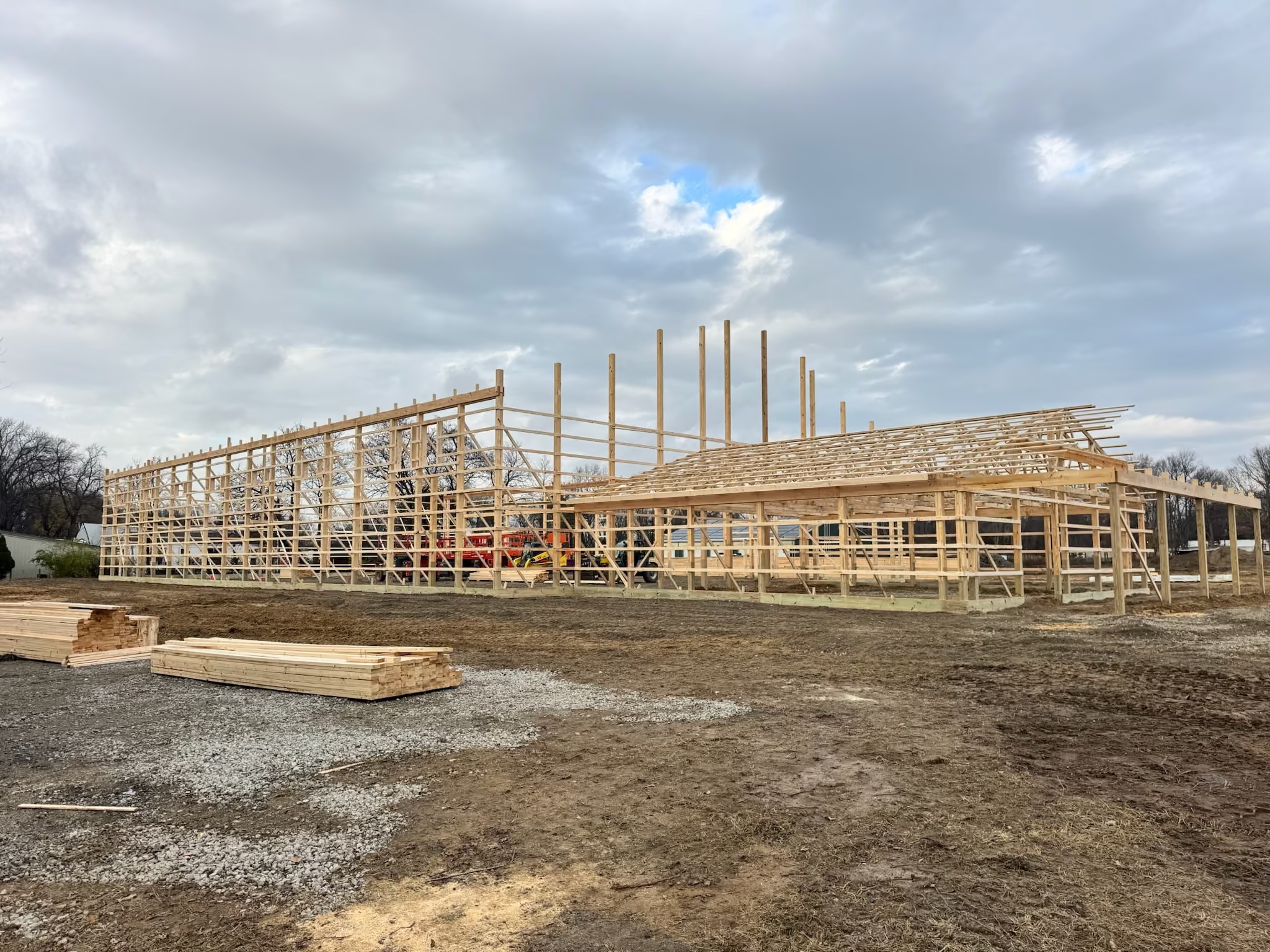
How Does Frozen Ground Affect Post-Frame Construction?
Frozen ground construction can boost a post-frame project's total cost by 2% to 15%.
The reason is simple. Frozen soil is like rock. Digging through the hardened earth requires frost augers (high-torque, serrated drilling bits) and special ground-thawing tools, which drive labor costs.
All in, you can expect to pay double for each post hole dug in frozen ground. However, with a bit of planning and creative scheduling, you can avoid these costs altogether.
And depending on your post-frame building timeline, potentially lower your total project expenses through a winter build.
How Does Cold Weather Affect Concrete Work?
Concrete can be successfully poured in freezing temps. However, you're likely to pay a winter surcharge for cold-weather installation.
Here's what drives the cost:
- Mixture Heating: Concrete plants add a winter premium to heat the water and aggregate before the truck leaves the yard.
- Chemical Curing: A small surcharge is added to every square foot of concrete poured for chemical curing accelerators, an absolute requirement in winter.
- Thermal Blankets: Thermal blankets are laid over concrete slabs to hold in heat created during curing. Adding and removing blankets increases labor costs.
- Snow Removal: If your site is snow-covered, you'll have to pay for snow removal before a drop of concrete can be poured.
So while concrete can be successfully poured during the winter, costs will be higher. Without these preemptive measures, your concrete footers or foundation will cure improperly and be compromised for the life of your building.


What Materials Can Be Installed During Cold Weather?
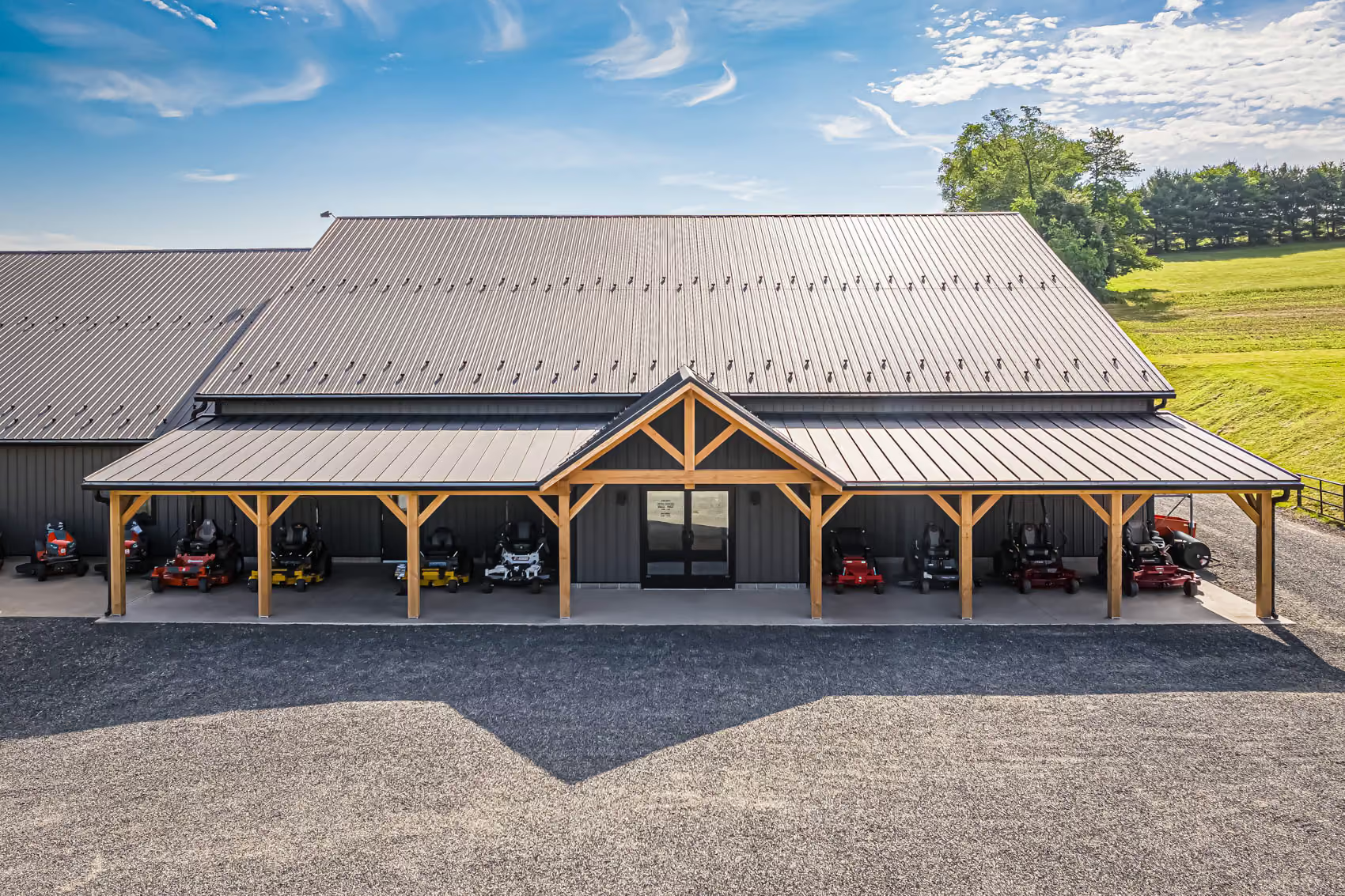
Every aspect of a post-frame building can be installed during the winter. However, certain materials are less prone to complications or price increases when temperatures drop below freezing.
Materials that aren't affected by the cold include:
- Pressure-Treated Lumber: Support posts and framing lumber handle cold temperatures well, so long as they are kept free of snow and ice.
- Engineered Wood Trusses: Roof and wall framing members install easily in cold, dry weather without degradation or warping.
- Metal Roof and Siding: Steel panels are completely weather-tolerant and perfect for winter installation.
- Insulation Materials: Fiberglass batts and rigid foam board insulation handle freezing temps well so long as fiberglass is kept dry.
When looking at winter construction from a materials perspective, all components of a post-frame building do well in winter save concrete and spray foam insulation. But that doesn't mean you can't build.
You'll just pay extra for a properly installed product. (See: How Does Cold Weather Affect Concrete Work?)
What Is the Ideal Way to Build in the Winter?
With a bit of preparation, winter construction can be as seamless as spring or summer projects.
Since the main challenges of winter building relate to excavation and concrete work, it's best to level your site, drill post holes, and set concrete footers before the first hard freeze.
After these preliminary tasks are handled, you can then build out your framing and roof trusses all winter long.
Will Building in the Winter Affect the Quality of My Post-Frame Building?
No. So long as you work with an experienced crew familiar with winter construction, your post-frame building will stand as strong as one built during the warmer months.
For a quote on your dream building, reach out to Tristate today. We're ready to put 35+ years of experience to work building your post-frame structure… any time of year.
Financing Your Dream Building
Finding the right contractor can mean the difference between getting a building you love and spending a bunch of money on a project you later regret. But that doesn’t mean it needs to be a difficult decision.
See options